



The Future of Wearable Technology and Innovation

99
Wearable technology has evolved far beyond basic step counters and wrist-mounted notification screens. What began as a niche market for fitness enthusiasts has matured into an expansive technological ecosystem reshaping healthcare delivery, human-computer interaction, industrial safety, and personal wellness. Today, wearable devices are transitioning from external accessories into seamless, invisible extensions of the human body.
The future of wearable technology lies in the convergence of advanced sensor miniaturization, artificial intelligence, flexible electronics, biometric monitoring, and edge computing. As these technologies mature, wearable devices will shift from passive data collection tools to proactive, predictive platforms that anticipate human needs, prevent medical emergencies, and blend digital experiences directly into daily life.
The Evolution of Biometric Monitoring and Decentralized Healthcare
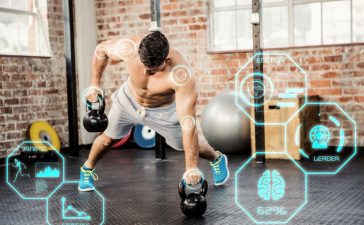
The most significant impact of future wearable innovation will occur within preventative medicine and digital health. Early consumer wearables provided basic estimations of daily steps, heart rates, and sleep durations. Next-generation devices are evolving into continuous, clinical-grade diagnostic platforms capable of monitoring complex physiological parameters in real time.
Continuous Biochemical and Biomarker Tracking
Traditional wearables rely heavily on optical sensors and accelerometers to monitor physical movement and cardiovascular pulse. Advanced sensor technology is expanding monitoring capabilities to non-invasive biochemical analysis.
Emerging wearable platforms interact directly with interstitial fluid, sweat, tears, and saliva to track metabolic health continuously:
-
Non-invasive glucose monitoring systems allow individuals with diabetes to track blood sugar levels without painful finger pricks.
-
Lactate and hydration sensors monitor physical fatigue and muscle stress in real time during intensive athletic performance or high-heat labor environments.
-
Cortisol sensors measure physiological stress levels, providing objective data on emotional strain and mental health conditions.
-
Electrolyte tracking assists in early detection of kidney function changes and acute dehydration risks.
Moving from optical metrics to biochemical tracking enables personalized preventative health insights, shifting medical care from reactive treatment to continuous proactive monitoring.
Early Disease Detection Through Predictive Analytics
Integrating machine learning algorithms directly onto wearable hardware allows devices to establish individual physiological baselines. By analyzing subtle variations in skin temperature, heart rate variability, blood oxygenation, and respiratory patterns, wearable systems can detect early signs of illness days before physical symptoms manifest.
Wearables are becoming vital early warning networks for cardiovascular events, respiratory infections, neurological tremors, and sleep disorders. Continuous monitoring alerts users and healthcare providers to physiological anomalies early, dramatically improving intervention outcomes and reducing long-term medical expenditures.
Smart Fabrics and Invisible Form Factors
While wrist-based smartwatches and fitness bands currently dominate the market, future wearable innovation focuses on embedding technology directly into everyday clothing and body-applied substrates. Form factor evolution will make technology visually invisible while expanding its functional capabilities.
E-Textiles and Functional Smart Apparel
Smart fabrics, or e-textiles, integrate conductive threads, flexible micro-sensors, and microscopic energy harvesters directly into woven textiles. Clothing items like shirts, socks, compression sleeves, and athletic wear are becoming comprehensive biometric data collectors.
E-textiles eliminate the ergonomic constraints of rigid wrist devices. Smart shirts can monitor full electrocardiogram signals, chest expansion during breathing, and core body temperature during daily activities. Smart footwear inserts measure pressure distribution, gate balance, and stride mechanics, offering critical data for orthopedic rehabilitation and fall prevention in elderly populations.
Epidermal Electronics and Smart Patches
Epidermal electronics represent the ultimate merging of technology and biology. Often referred to as electronic tattoos or smart patches, these ultra-thin, flexible devices adhere directly to human skin like temporary transfers.
Epidermal patches flex naturally with body movement, maintaining continuous contact with the skin surface. They collect high-fidelity physiological data, deliver localized transdermal medications, and monitor wound healing progress without causing physical discomfort or restriction.
Next-Generation Augmented Reality and Human-Computer Interfaces
Beyond health monitoring, wearable technology is fundamentally redefining how humans interact with digital information and spatial computing environments.
The Rise of Smart Eyewear and Spatial Displays
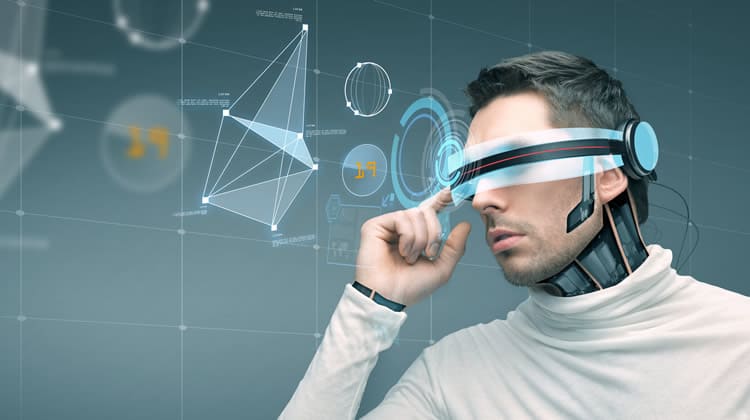
Augmented reality smart glasses and lightweight spatial headsets are positioning themselves as primary computing platforms of the coming decade. As display optics improve and battery footprints shrink, smart eyewear will project digital information directly into the user field of view.
Context-aware visual displays offer transformative practical applications:
-
Real-time language translation subtitling live spoken conversations directly in visual space.
-
Hands-free navigation overlaying directional arrows onto physical roadways for pedestrians, cyclists, and drivers.
-
Industrial assembly guidance projecting step-by-step technical blueprints over machinery for technicians.
-
Medical surgical overlays displaying patient vital signs and anatomical scans directly within a surgeon field of vision during procedures.
Smart eyewear promises to reduce human dependence on handheld smartphone screens, making digital information retrieval an ambient, hands-free experience.
Neural Interfaces and Haptic Feedback Networks
Interacting with wearable devices is evolving beyond physical touchscreens and voice commands. Brain-computer interfaces and electromyographic wristbands interpret subtle neural signals and muscle micro-movements, allowing users to control digital interfaces through thought intent or micro-gestures.
Simultaneously, advanced haptic feedback networks are adding physical sensation to virtual interactions. Smart gloves and tactile wearables use micro-vibrations, pressure plates, and thermal elements to simulate texture, weight, and temperature in virtual environments, transforming virtual collaboration, tele-surgery, and immersive training simulations.
Overcoming Infrastructure and Technical Challenges
Despite rapid technological progress, widespread adoption of next-generation wearable technology depends on solving critical engineering and regulatory hurdles.
Energy Harvesting and Next-Generation Power Storage
Battery technology remains a primary physical constraint in wearable design. Heavy, rigid lithium-ion batteries limit device miniaturization and require frequent recharging cycles.
Future innovation focuses on sustainable energy harvesting solutions:
-
Thermoelectric generators convert human body heat into usable electrical current.
-
Kinetic energy harvesters generate power from routine physical body movements.
-
Flexible solid-state batteries offer higher energy density in bendable, non-toxic form factors.
-
Ambient radio frequency harvesters collect stray wireless signals to power low-energy micro-sensors.
Combining energy harvesting with ultra-low-power processing chips will eventually enable self-sustaining wearable devices that operate indefinitely without manual recharging.
Data Privacy, Ethical Governance, and Cybersecurity
Wearable devices collect the most sensitive information in existence: real-time physiological data, precise location tracks, emotional stress indicators, and personal visual fields. Protecting this biological data from unauthorized commercial exploitation, corporate surveillance, and cyber attacks is an urgent priority.
Ensuring user trust requires implementing strict data governance protocols. Decentralized edge processing ensures raw biometric data remains stored locally on hardware rather than transmitted to cloud databases. On-device encryption, explicit biometric consent frameworks, and strict legal boundaries regarding health data monetization are essential for building sustainable wearable ecosystems.
Frequently Asked Questions
How will future wearables impact personal health insurance premiums?
Insurance providers are increasingly offering voluntary wellness programs that reward policyholders with lower premiums for sharing wearable biometric data. However, regulatory frameworks must ensure that individuals who opt out or present higher health risk profiles are protected from discriminatory rate hikes or coverage denials.
Are non-invasive continuous glucose monitors as accurate as traditional blood tests?
While non-invasive glucose monitoring technologies using optical spectroscopy or interstitial fluid sensing have improved dramatically, clinical-grade blood finger-prick tests remain the gold standard for medical diagnosis. Emerging non-invasive wearables are designed primarily for trend tracking and early alerts, supplementing rather than replacing diagnostic medical equipment.
How do smart fabrics hold up against routine washing and mechanical wear?
Modern smart fabrics utilize protective polymer coatings around conductive threads and feature detachable micro-processing modules. This engineering allows smart garments to withstand standard washing machine cycles, physical stretching, and detergent exposure without losing electrical conductivity.
What is the role of edge computing in future wearable devices?
Edge computing processes raw biometric data directly on the wearable hardware rather than sending it over wireless networks to remote cloud servers. Local processing reduces network latency for instant health alerts, conserves battery power by reducing wireless transmissions, and improves privacy by keeping personal data on the device.
Can wearable devices operate effectively without being paired to a smartphone?
Yes. Next-generation wearables feature independent cellular connectivity, integrated satellite positioning, localized artificial intelligence processing, and direct cloud syncing capabilities. This independence allows wearables to operate as standalone computing platforms without requiring a paired smartphone nearby.
What are the environmental concerns associated with disposable smart patches and e-waste?
The rise of single-use medical smart patches and disposable biometric sensors creates potential electronic waste hazards. Researchers are developing biodegradable electronics, organic silk substrates, and non-toxic zinc batteries that break down naturally in municipal waste streams to minimize environmental impact.
How will wearable devices improve workplace safety in heavy industries?
In hazardous industrial settings like mining, construction, and chemical processing, wearables monitor worker fatigue, track toxic gas exposure, detect physical falls, measure heat stress, and alert operators when heavy equipment gets dangerously close to ground personnel, preventing severe industrial accidents.