



Smart Fitness Revolution: How Technology is Transforming the Gym Experience in Singapore

804
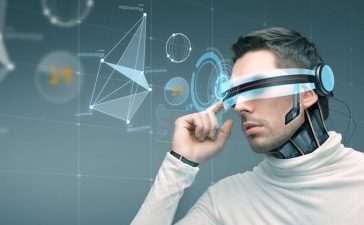
Technology has become a part of nearly every aspect of modern life, and fitness is no exception. In recent years, the experience of working out in a fitness gym Singapore has evolved far beyond traditional weights and treadmills. From wearable devices that track every heartbeat to artificial intelligence programmes that tailor training plans, technology is redefining the way people exercise.
For Singaporeans juggling busy lifestyles, this digital transformation is not a luxury but a necessity. Smart tools provide efficiency, accuracy, and motivation, making it easier for members to achieve results. In a society where convenience and innovation drive choices, technology-enhanced fitness is quickly becoming the standard.
Forward-looking gyms such as TFX highlight how integrating technology creates value for members. It bridges the gap between traditional training and modern expectations, offering a seamless experience that fits into the fast-paced rhythm of Singapore life.
The Rise of Wearable Technology
One of the most influential innovations in fitness is wearable technology. Devices like smartwatches and fitness bands measure heart rate, steps, calories burned, and even sleep quality. For gym members in Singapore, these wearables act as personal trainers on their wrists, providing real-time data to optimise workouts.
By monitoring performance metrics, individuals can adjust intensity levels to avoid undertraining or overtraining. For example, a runner can track heart rate zones during treadmill sessions, while someone lifting weights can measure rest periods precisely. These insights make workouts more scientific and result-driven.
Artificial Intelligence and Personalised Training
Artificial intelligence is changing the way gyms design programmes. AI-driven apps can analyse data from wearables and past workouts to recommend routines tailored to individual needs. In Singapore, where efficiency is key, this level of personalisation saves time and delivers measurable results.
AI systems can identify patterns that humans may miss, such as when members are most likely to skip sessions or which exercises produce the best outcomes for their body type. This predictive approach not only improves progress but also boosts motivation by showing clear pathways to success.
Virtual and Hybrid Fitness Options
The pandemic accelerated the adoption of virtual training, and its influence continues today. Many fitness gyms in Singapore now offer hybrid options, combining in-person sessions with digital platforms. Members can attend classes physically when convenient and join virtual sessions when schedules are tight.
Virtual fitness also allows people to train while travelling or working from home. Platforms stream live classes or provide on-demand workouts, ensuring consistency. For professionals with irregular routines, this flexibility ensures they remain engaged without disruptions.
Smart Equipment in Modern Gyms
Equipment has evolved from basic machines to intelligent systems. Smart treadmills, bikes, and resistance machines now come with built-in screens, digital coaching, and progress tracking. These machines automatically adjust resistance, speed, or incline based on individual performance.
In Singapore gyms, smart equipment ensures members get the most out of every session. For beginners, digital guidance reduces the risk of using machines incorrectly. For advanced athletes, intelligent feedback allows them to push boundaries safely and effectively.
Gamification of Fitness
Gamification is another way technology motivates gym-goers. By turning workouts into games, members can earn points, unlock achievements, or compete with friends. Fitness apps and smart machines integrate leaderboards, creating healthy competition that drives consistency.
In Singapore’s results-driven culture, gamification appeals to people who enjoy tracking progress and celebrating milestones. It transforms exercise from a chore into an engaging challenge, keeping motivation levels high.
Data-Driven Insights for Progress
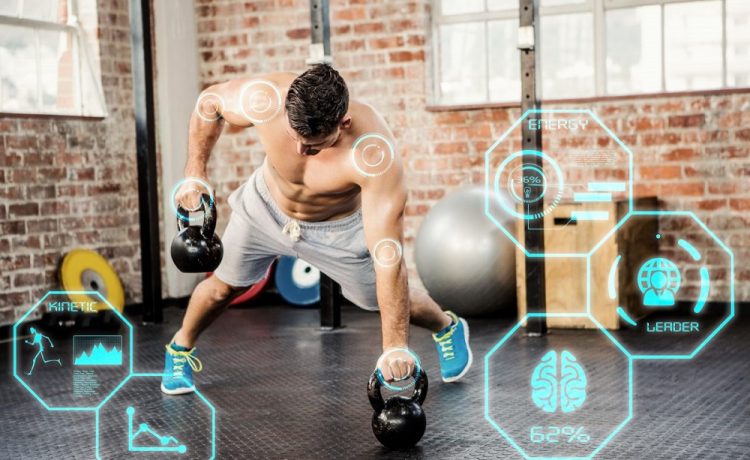
Data is at the heart of technology-enhanced fitness. Beyond wearables, gyms in Singapore are adopting biometric scans, posture analysis systems, and performance-tracking software. These tools provide detailed insights into body composition, movement efficiency, and areas needing improvement.
Members benefit by seeing objective proof of progress. Instead of relying on mirrors or scales alone, they can monitor fat loss, muscle growth, and cardiovascular improvements through data. This transparency builds trust and reinforces the value of gym memberships.
Improved Communication Between Trainers and Members
Technology also enhances trainer-client relationships. Apps allow trainers to monitor clients’ workouts remotely, provide feedback, and adjust programmes instantly. In Singapore, where busy schedules often interfere with regular check-ins, this digital connection ensures continuity.
For members, the ability to message trainers, receive reminders, or access updated plans through apps creates a sense of accountability. Trainers, in turn, can better support clients by tracking adherence and identifying areas of struggle.
The Role of Recovery Technology
Recovery is an essential part of fitness, and technology is making it smarter. Gyms in Singapore now incorporate tools such as massage guns, cryotherapy, infrared saunas, and compression sleeves. These devices speed up recovery, reduce soreness, and prepare the body for the next session.
By integrating recovery technologies, gyms provide a holistic experience. Members no longer view recovery as passive downtime but as an active step in achieving their goals.
Accessibility and Inclusivity Through Technology
Technology also promotes inclusivity. Adaptive machines with digital controls cater to people with physical limitations, ensuring they can train safely. Apps with voice assistance or visual guides make fitness accessible to those with different abilities.
In Singapore’s diverse society, inclusivity is important. Technology ensures that gyms meet the needs of all members, regardless of age, fitness level, or physical condition.
Challenges of Technology in Gyms
While the benefits are clear, challenges exist. Overreliance on technology may cause people to lose touch with the fundamentals of training. Technical issues such as app malfunctions or equipment downtime can also frustrate members.
Moreover, privacy concerns about data collection need to be addressed. Gyms must ensure that personal health information collected through wearables or scans is protected.
Future Trends in Smart Fitness
The future of fitness in Singapore will likely see deeper integration of technology. Virtual reality may create immersive workout environments, while AI could design fully automated, adaptive programmes. Integration of fitness data with healthcare providers may also emerge, making gyms part of preventive medicine.
As technology evolves, the role of trainers will shift from merely instructing to interpreting data and providing human connection. This balance between tech and personal touch will define the next generation of fitness experiences.
Practical Tips for Members Using Fitness Technology
-
Use wearables consistently to track performance trends
-
Do not ignore recovery tools as part of your routine
-
Combine smart equipment with traditional free weights for balance
-
Avoid relying solely on data. Listen to your body as well
-
Engage with trainers to interpret insights rather than self-guessing
FAQs
Q. How do wearables improve gym workouts?
They provide real-time data such as heart rate and calorie burn, allowing members to optimise training intensity and track long-term progress.
Q. Are virtual fitness classes as effective as in-person sessions?
Yes, virtual classes provide flexibility and consistency. While they may lack physical presence, they are effective for maintaining regular workouts.
Q. What are the benefits of smart gym equipment?
Smart machines adjust resistance automatically, track progress, and provide coaching, making them suitable for both beginners and advanced members.
Q. Is data collected in gyms safe?
Reputable gyms prioritise data security and comply with privacy standards. Members should always confirm how their data is used.
Q. What will the future of smart fitness in Singapore look like?
Expect greater use of AI, virtual reality workouts, and healthcare integration. The focus will be on combining technology with personal guidance for maximum results.