



Social Media Unfiltered: Power, Perception, and the Paradox of Digital Connection

963
Introduction: A Mirror to Modern Society
Social media, once a novelty used to reconnect with old friends and share snapshots of daily life, has evolved into a global phenomenon that shapes cultures, drives economies, and defines digital identity. In less than two decades, it has transitioned from simple message boards and friend networks into complex ecosystems that influence how we communicate, work, vote, shop, and even perceive ourselves. At its best, social media connects the world in real time. At its worst, it fragments reality, accelerates misinformation, and fuels addictive behavior. To understand social media today is to engage with one of the most transformative and paradoxical forces of the 21st century.
The Evolution of Social Media: From Community to Conglomerate
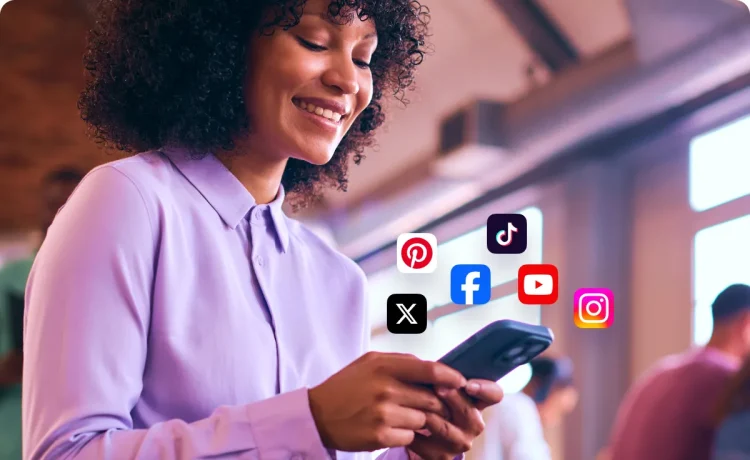
The origins of social media are rooted in the early internet communities of the 1990s—platforms like GeoCities, LiveJournal, and forums that allowed users to share thoughts and ideas. The early 2000s saw the birth of the major players: MySpace introduced profile customization and music sharing; Facebook redefined identity-based networks; Twitter revolutionized real-time updates. Instagram brought visual storytelling to the forefront, while TikTok has merged creativity and algorithmic discovery into an entirely new form of entertainment.
Today, social media platforms are no longer mere communication tools. They are vast digital empires powered by data, artificial intelligence, and advertising revenue. Their reach is unmatched, influencing billions of people daily and playing pivotal roles in everything from political movements to celebrity culture.
The Power and Potential of Social Media
Despite its criticisms, social media has provided immense value to individuals, communities, and businesses around the world.
1. Communication Without Borders
One of the greatest achievements of social media is its ability to transcend geographic boundaries. Friends, families, and professionals can stay connected across continents with ease. In times of crisis, social media becomes a lifeline, allowing people to share updates, request help, or rally support.
2. Amplifying Voices and Movements
Social media platforms have become vital tools for activism and awareness. From #MeToo to Black Lives Matter, global movements have gained momentum through the rapid spread of information and community building online. Marginalized groups now have a platform to tell their stories, challenge narratives, and hold power to account.
3. Business and Brand Development
Companies, especially small and medium-sized businesses, leverage social media to reach targeted audiences, build brand identity, and engage directly with customers. Influencer marketing, real-time feedback, and viral content have redefined how products and services are marketed in the digital age.
4. Education and Information Sharing
Social media has democratized knowledge. Educational institutions, experts, and enthusiasts use these platforms to share insights, tutorials, and resources on virtually any subject. From language learning on Instagram to science explainers on YouTube, the digital classroom is open 24/7.
The Complexities and Challenges of Social Media
While the benefits are clear, the downsides of social media are equally significant, demanding nuanced understanding and responsible engagement.
1. The Illusion of Connection
Paradoxically, while social media connects us digitally, it can isolate us emotionally. The curated nature of online personas often leads to superficial interactions, replacing meaningful relationships with likes and comments. The constant comparison with others’ highlight reels can lead to feelings of inadequacy and loneliness.
2. Misinformation and Echo Chambers
One of the most pressing issues is the spread of false or misleading information. Algorithms designed to maximize engagement often prioritize sensational content over verified facts. This leads to echo chambers, where users are exposed only to views that reinforce their beliefs, polarizing society and distorting public discourse.
3. Mental Health Impacts
Numerous studies have linked excessive social media use with anxiety, depression, and sleep disturbances. The relentless pursuit of validation, fear of missing out (FOMO), and exposure to online harassment can have serious psychological consequences, particularly among adolescents.
4. Data Privacy and Ethical Concerns
Users often unknowingly trade their personal data for free access to platforms. This data is monetized through targeted advertising and behavioral profiling, raising ethical concerns about surveillance, consent, and manipulation. Scandals such as Cambridge Analytica have highlighted the risks of unchecked data collection.
Striking a Balance: Healthy Social Media Habits
Engaging with social media mindfully is essential for maintaining well-being and digital literacy. Here are a few practices to cultivate a healthier relationship with these platforms:
-
Curate your feed: Follow accounts that inspire, educate, or uplift you. Unfollow sources of negativity or misinformation.
-
Limit screen time: Use built-in tools to track your usage and set boundaries for how much time you spend online each day.
-
Engage, don’t just consume: Rather than passively scrolling, contribute meaningfully—comment, share thoughtfully, or create content.
-
Take digital detoxes: Step away periodically to reconnect with the offline world and reset your mental space.
-
Question your content: Always verify information before sharing, and be mindful of the impact your posts might have on others.
The Future of Social Media: Innovation or Implosion?
As technology continues to evolve, so too will social media. The future will likely be shaped by immersive experiences through augmented and virtual reality, decentralized networks driven by blockchain, and tighter regulations around data and content. Platforms will have to reckon with their responsibilities, balancing profitability with ethical practices.
Artificial intelligence will play a larger role in content moderation and user experience, potentially addressing some of the issues related to hate speech and misinformation. At the same time, users will demand greater transparency, control over personal data, and accountability from tech giants.
Conclusion: Navigating the Digital Landscape with Intention
Social media is neither inherently good nor bad—it is a tool, one that mirrors the complexities of human society. Its impact depends largely on how it is used, both by individuals and institutions. With thoughtful engagement, clear boundaries, and a critical eye, social media can enrich our lives, foster genuine connection, and amplify voices that deserve to be heard.
In a world where attention is currency and connection is constant, the real challenge lies not in disconnecting entirely, but in choosing how, when, and why we engage. The future of social media lies not just in technology—but in the intention behind our taps, clicks, and shares.